Table of Contents
More Than a Tagline
Great brands have words that capture their essence:
- Nike: "Just Do It" — Action, determination, athletic achievement
- Apple: "Think Different" — Creativity, innovation, changing the world
- CareCade: "Be There." — Presence, peace of mind, connection
But "Be There" isn't marketing language. It's a philosophy that shapes everything we build and how we think about care.
The Three Dimensions of Presence
"Be There" means different things to different people, but it always involves presence:
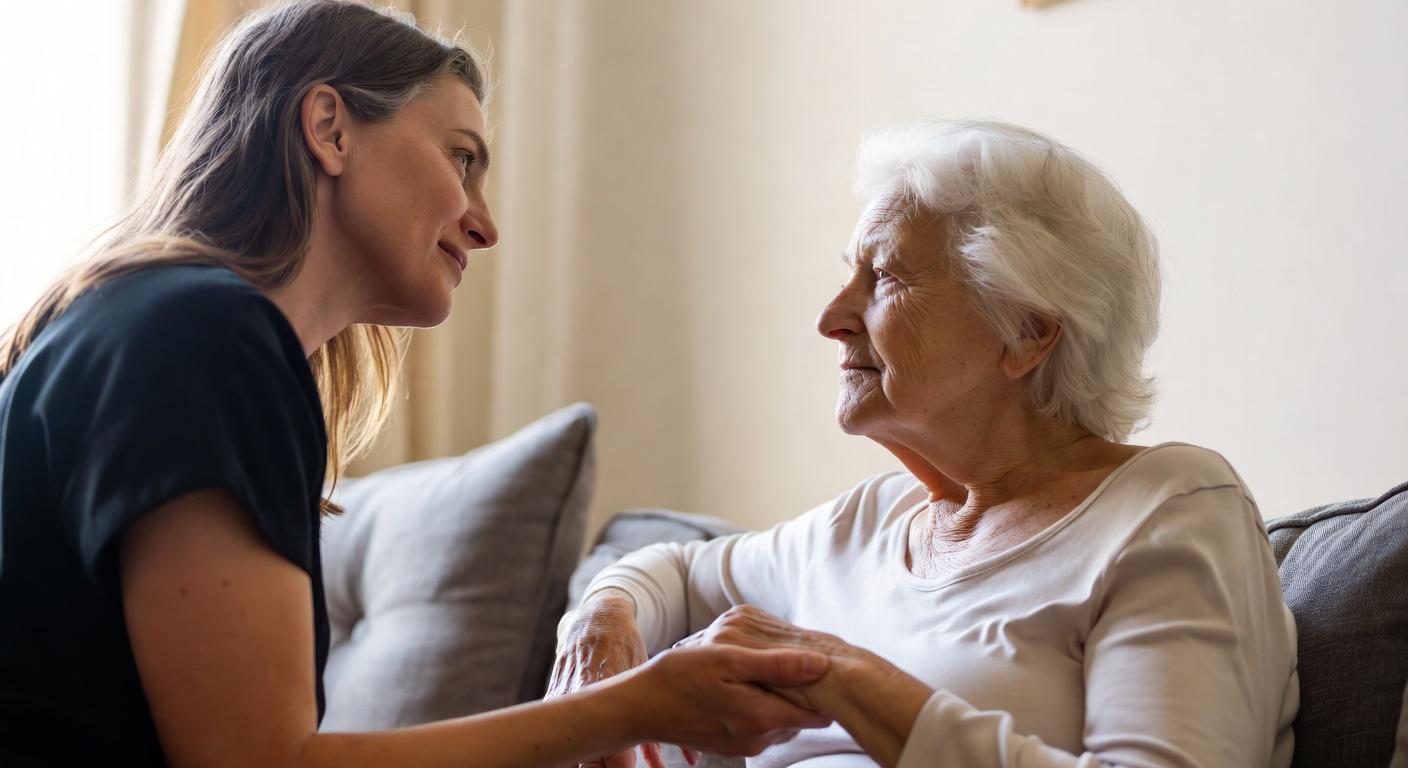
Physical Presence
The most basic dimension. Being there means showing up. For a caregiver, it's arriving at the client's home. For a family member, it's making the visit despite the distance.
Physical presence is necessary but not sufficient. You can be in the room without being truly present.
Emotional Presence
The deeper dimension. Being there means engaging, caring, connecting. For a caregiver, it's not just clocking in but actively supporting the client. For a family member, it's quality time, not just time.
Emotional presence is what transforms care from a service into a relationship.
Informed Presence
The dimension technology enables. Being there means knowing what's happening even when you can't be physically present. For a family 500 miles away, it's having visibility into their loved one's care. For a case manager with 50 clients, it's being able to monitor and advocate effectively.
Informed presence bridges distance with knowledge.
What "Be There" Means for Each Audience
For Families: "Be there for your loved one, even from far away"
You can't always be in the room. Work, distance, life circumstances create separation from those we love.
"Be There" for families means:
- Knowing that care is happening
- Seeing who arrived and when
- Understanding what activities occurred
- Having peace of mind despite distance
Technology doesn't replace your presence. It extends it. You can "be there" through knowledge and connection.

For Caregivers: "Be there for care, not paperwork"
Caregivers chose this work because they want to help people. But administrative burden often steals time and energy from actual care.
"Be There" for caregivers means:
- Tools that are quick and easy
- Documentation that doesn't overwhelm
- Focus on the client, not the clipboard
- Recognition for showing up and engaging
When technology handles the paperwork, caregivers can be fully present with clients.
For Case Managers: "Be there for every client on your caseload"
With 50+ clients across multiple agencies, case managers can't visit everyone regularly. But they need to advocate for everyone.
"Be There" for case managers means:
- Visibility into all clients from one dashboard
- Verification without endless phone calls
- Early awareness of concerns
- Data that supports advocacy
Technology extends a case manager's presence across their entire caseload.
For Agencies: "Be there for what matters"
Agencies exist to provide care. But administrative tasks often dominate: billing, scheduling, compliance, reporting.
"Be There" for agencies means:
- Systems that handle the operations
- Time freed for quality improvement
- Tools that support staff
- Focus on mission, not just paperwork
When agencies aren't drowning in administration, they can be present for their true purpose.
The Philosophy in Practice
"Be There" isn't just words. It shapes decisions:
Feature Decisions
Before building something, we ask: "Does this help someone be there?"
- On My Way notifications → Help families be there emotionally before the caregiver arrives
- GPS verification → Help families be there through confirmed knowledge
- Activity documentation → Help everyone be there for what actually happened
- Incident reporting → Help agencies be there when moments matter most
Design Decisions
Interfaces should enable presence, not distract from it.
- One-tap clock-in → Caregiver stays present with client
- Quick documentation → Less time on phone, more time engaging
- Clear dashboards → Information accessible without hunting
- Mobile-first → Tools available wherever care happens
Business Decisions
"Be There" shapes how we operate as an organization.
- Free for families → Being there shouldn't require payment
- Free for case managers → Advocacy shouldn't be paywalled
- Affordable for agencies → Tools should help, not burden
- Nonprofit mission → We exist to serve, not extract
Being There in Hard Moments
"Be There" is easy when things go well. The real test is hard moments:
When Care Falls Short
Being there means addressing problems honestly:
- Families deserve to know
- Caregivers deserve fair process
- Agencies deserve support in improvement
- Transparency serves everyone
When Emergencies Happen
Being there means rapid response and clear communication:
- Immediate notification to those who need to know
- Documentation that protects everyone
- Support for caregivers in crisis
- Follow-up that prevents recurrence
When Families Worry
Being there means proactive reassurance:
- Updates before they have to ask
- Visibility that calms anxiety
- Responsiveness that builds trust
- Presence that spans distance
The Opposite of "Be There"
Understanding what "Be There" isn't clarifies what it is:
"Be There" is not:
- Surveillance and control
- Distrust and suspicion
- Micromanagement and burden
- Complexity and overwhelm
"Be There" is:
- Presence and connection
- Trust backed by transparency
- Support and enablement
- Simplicity and clarity
The difference is in the spirit. Technology can enable either. We choose presence.
An Invitation
"Be There" is an invitation extended to everyone in the care ecosystem:
To families: Be there for your loved ones. We'll help bridge the distance.
To caregivers: Be there for your clients. We'll handle the paperwork.
To case managers: Be there for your caseload. We'll extend your reach.
To agencies: Be there for your mission. We'll support your operations.
Together, we can transform home care from a system of hope and trust into one of knowledge and confidence—without losing the human connection that makes care meaningful.
That's what "Be There" really means.
Be There. For the care that matters.